£37.00 – £165.00
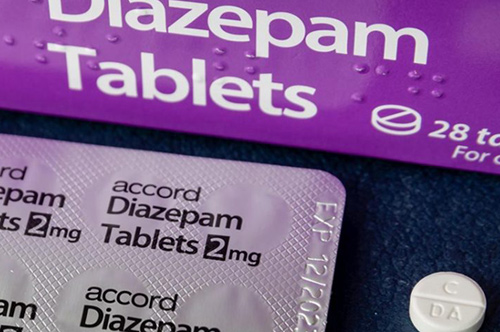
Diazepam is used for treating variety of disorders such as anxiety, insomnia, panic attacks and muscle spasms. Also known as Valium, diazepam has been one of the most widely prescribed medicines in the world for 40 years.
SHARE
Important information about Diazepam
Diazepam is a prescription medicine belonging to a group of medicines called benzodiazepines.
It may be prescribed for conditions including severe anxiety, muscle spasms and seizures. It can also be used as a sedative before certain medical procedures. (nhs.uk)
Diazepam can cause drowsiness, impaired coordination, dependence and withdrawal symptoms.
It should only be taken as prescribed by a healthcare professional.
Diazepam works by increasing the effects of a naturally occurring calming chemical in the brain.
It can have sedative, muscle-relaxing, anti-anxiety and anticonvulsant effects.
Diazepam is available in several strengths, including 2 mg, 5 mg and 10 mg tablets. (nhs.uk)
A 10 mg tablet is one of the available strengths of Diazepam.
10 mg is not a standard dose for everyone.
The amount prescribed depends on:
Your doctor will determine the appropriate dose.
Never increase your dose or take additional tablets because you feel that the medicine is not working as well.
Take Diazepam exactly as prescribed.
Tablets should be swallowed with water and may generally be taken with or without food.
The frequency of dosing depends on why diazepam has been prescribed.
Diazepam is normally intended for short-term treatment, generally no longer than 4 weeks, because longer use increases the risk of dependence and withdrawal. (nhs.uk)
Common side effects can include:
Some people may also experience changes in mood or increased anxiety. (nhs.uk)
Side effects may be more noticeable when treatment is first started or when the dose is increased.
Serious side effects are uncommon but can occur.
Seek urgent medical attention if you experience:
Call 999 if someone has severe difficulty breathing, collapses, loses consciousness or cannot be woken. (nhs.uk)
Do not drink alcohol while taking diazepam.
Alcohol can substantially increase the sedative effects of diazepam and may make you extremely sleepy.
The combination can increase the risk of serious sedation, impaired coordination and breathing problems. (nhs.uk)
Avoid alcohol unless a healthcare professional has specifically advised otherwise.
Particular caution is required when diazepam is taken together with opioid medicines.
Examples include:
Combining benzodiazepines with opioids can increase sedation and the risk of respiratory depression, coma and potentially death.
Tell your doctor or pharmacist if you take opioid medication before taking diazepam.
Diazepam can make you sleepy and can reduce alertness, concentration and coordination.
Do not drive, cycle or operate machinery if you feel sleepy, dizzy, uncoordinated or otherwise impaired. (nhs.uk)
Driving while impaired by a medicine can be dangerous and may also have legal consequences.
Diazepam can cause physical and psychological dependence.
The risk increases with higher doses and longer treatment and can also be greater in people with a previous history of alcohol or drug misuse.
Dependence can occur even when diazepam is taken at therapeutic doses. (Medicines.org.uk)
Possible warning signs include:
If you are concerned about dependence, speak to your doctor or pharmacist.
Do not suddenly stop taking Diazepam if you have been using it regularly.
Stopping suddenly can cause withdrawal symptoms.
These can include:
Severe withdrawal can include hallucinations or seizures. (Medicines.org.uk)
A doctor can gradually reduce the dose to help minimise withdrawal symptoms.
Diazepam should not normally be taken during pregnancy unless a doctor has specifically advised that it is appropriate. (nhs.uk)
If you are:
speak to your doctor or pharmacist.
Diazepam and other benzodiazepines can cross the placenta. Use later in pregnancy can result in sedation, reduced muscle tone, breathing problems or withdrawal symptoms in the newborn.
Do not suddenly stop prescribed Diazepam because you discover that you are pregnant. Speak to your healthcare professional first.
Diazepam passes into breast milk.
The NHS advises people who are breastfeeding to speak to a doctor or pharmacist before using diazepam. In some circumstances, a short course at a low dose may be considered when the benefits outweigh the potential risks. (nhs.uk)
Specialist UK guidance recommends caution because diazepam and its active metabolites have relatively long half-lives and can accumulate in an infant following prolonged use. (SPS – Specialist Pharmacy Service)
A breastfed baby should be monitored for:
Long-term use during breastfeeding should generally be avoided where possible. (SPS – Specialist Pharmacy Service)
Diazepam may not be suitable for everyone.
Tell your doctor before taking it if you have:
Older people may be particularly susceptible to sedation, dizziness, confusion and falls.
Your doctor may prescribe a lower dose depending on your circumstances. (nhs.uk)
Always tell your doctor or pharmacist about all medicines you take.
Medicines that can interact with diazepam or increase its sedative effects include:
Alcohol can also significantly increase sedation. (nhs.uk)
The NHS advises avoiding grapefruit juice while taking Diazepam because it can increase the amount of diazepam in the body and increase side effects. (nhs.uk)
Taking more Diazepam than prescribed can be dangerous.
An overdose can cause:
The danger is significantly greater when diazepam is combined with alcohol, opioids or other medicines that cause sedation.
If you or someone else has taken more than the prescribed dose, contact NHS 111 for urgent advice. (nhs.uk)
Call 999 immediately if someone:
If you forget to take a dose, follow the instructions provided with your prescription.
The NHS advises skipping the missed dose and taking the next dose at the usual time.
Do not take two doses together to make up for a missed dose. (nhs.uk)
Diazepam is prescribed for an individual person’s medical circumstances.
Never give your Diazepam to another person and never take someone else’s prescription.
A dose that is appropriate for one person may be unsafe for another.
Is 10 mg of diazepam a lot?
10 mg is an available tablet strength, but whether it is an appropriate dose depends on the reason for treatment and the individual. There is no single “correct” diazepam dose for everyone.
Is diazepam addictive?
Yes. Diazepam can cause dependence and addiction, particularly with higher doses or prolonged treatment. (Medicines.org.uk)
Can I drink alcohol with diazepam?
No. Alcohol can significantly increase the sedative effects of diazepam and increase the risk of serious side effects. (nhs.uk)
Can I drive after taking diazepam?
Diazepam can impair alertness, concentration and coordination. Do not drive if you are affected by the medicine. (nhs.uk)
Can I stop diazepam suddenly?
No, not if you have been taking it regularly. Sudden withdrawal can cause significant symptoms, including seizures. Your doctor can advise on gradual reduction. (Medicines.org.uk)
Can I take diazepam during pregnancy?
Diazepam should generally be avoided during pregnancy unless a healthcare professional advises that it is necessary. (nhs.uk)
Can I breastfeed while taking diazepam?
Diazepam passes into breast milk. Short-term use may sometimes be considered, but you should discuss it with a doctor or pharmacist first. Long-term use is generally avoided where possible. (nhs.uk)
What should I do if I take too much?
Contact NHS 111 if you have taken more than prescribed. Call 999 if the person is unconscious, cannot be woken or has serious breathing difficulties. (nhs.uk)
Call 999 immediately if someone taking diazepam:
For urgent but non-life-threatening concerns, contact NHS 111.
This website provides general educational information about Diazepam.
It does not replace advice from a doctor, pharmacist or other qualified healthcare professional.
Diazepam is a prescription medicine and should only be taken as prescribed.
Do not change your dose, combine diazepam with alcohol or other sedating medicines, or stop regular treatment suddenly without professional advice.
Medical information should be reviewed regularly because prescribing guidance can change.
Our online pharmacy has been helping people beat insomnia and anxiety issues for many years, we are regarded as one of the best sleeping pills supplier in the UK stocking a wide range of safe and effective licensed medications for insomnia and anxiety treatment. Buy sleeping pills online without the need of a doctor’s prescription and at the best possible prices.
Working hours: 24 hours a day
Working days: Mon to Sun (7 days a week)